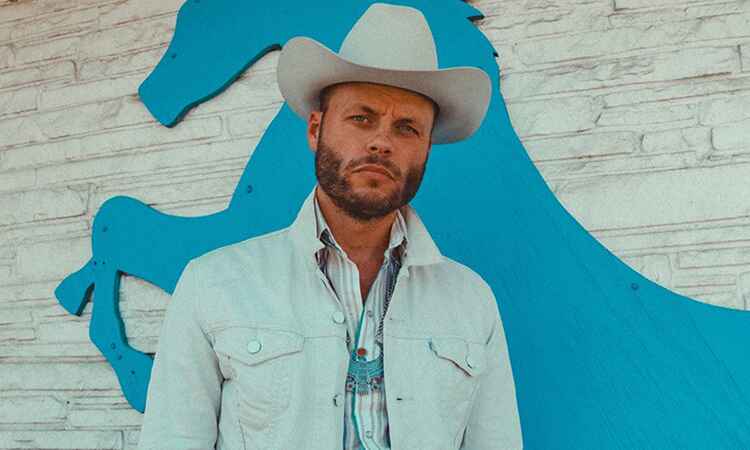
Country singer Charley Crockett is drawing national attention after publicly criticizing President Donald Trump and urging the country music industry to take cues from Bad Bunny’s cultural influence.
In a lengthy social media post following the Grammy Awards and the Super Bowl LX halftime show, the Texas-based artist called Trump a “grifter,” questioned Elon Musk’s political influence, and contrasted Grammy speeches by Jelly Roll and Bad Bunny in a pointed commentary on authenticity and leadership.
“When I was at the Grammys the other night I saw a guy get up and talk about Jesus, and then I saw Bad Bunny get up there and talk like Jesus. The country music establishment should be taking notes on a Puerto Rican American who hasn’t forgotten his heritage and brought his culture’s traditional music back to the front, showing the world something new with it,” Crockett wrote.
His remarks come amid heightened political debate surrounding Bad Bunny’s Super Bowl LX halftime performance. The Puerto Rican superstar, who performed in Spanish, has faced backlash from conservative commentators since being announced as the headliner. After Sunday’s show, Trump criticized the performance on social media, calling it “a ‘slap in the face’ to our Country.”
Crockett’s post did not stop at defending Bad Bunny. He turned his attention directly to Trump, referencing criticism he has received about his own image in country music.
“They keep saying I’m a cosplay cowboy but they love a cosplay president,” he wrote. “The President is a grifter who bankrupted 6 casinos. That’s pretty extraordinary considering it’s a rigged business in favor of the house. The only thing he’s good at is filing lawsuits and portraying a successful business man as a reality TV actor. Last time I checked Elon Musk was an immigrant from South Africa but there he is standing in the White House buying our elections. Let’s deport his ass.”
He also referenced billionaire investor Peter Thiel, adding that “they both openly believe in a post democratic society where men of their class are above the law.”
Crockett has previously spoken out about what he views as a lack of authenticity within mainstream country music. Last summer, he engaged in an online dispute with fellow country singer Gavin Adcock over the genre’s direction and the meaning of “authenticity.” In an interview with Rolling Stone’s Nashville Now podcast, he criticized industry practices, stating: “I don’t think they stand for anything. They stand for Auto-Tune and songs written by a committee. Outlaw was about standing up for your rights against a very rigid music-business system. In a game where you throw money at a young artist, and if it doesn’t work out, no problem, because there’s 1,000 standing behind you, well, a controversial figure is unlikely to ever rise.”
The latest comments further position Crockett as one of the more outspoken figures in modern country music, a genre that has historically leaned conservative in both audience and industry leadership.
He concluded his social media post with a message directed at Trump supporters: “If you can sleep at night licking their boots that’s between you and yours, but that type of thinking isn’t freedom. It’s mental slavery. Judge a man by how he treats the poor and those who he views as being able to do nothing for him.”
Crockett is preparing to release a new album later this year. Whether his political comments will impact his standing within country radio or the broader Nashville establishment remains to be seen, but his remarks have intensified an ongoing debate about politics, culture, and authenticity within American music.